

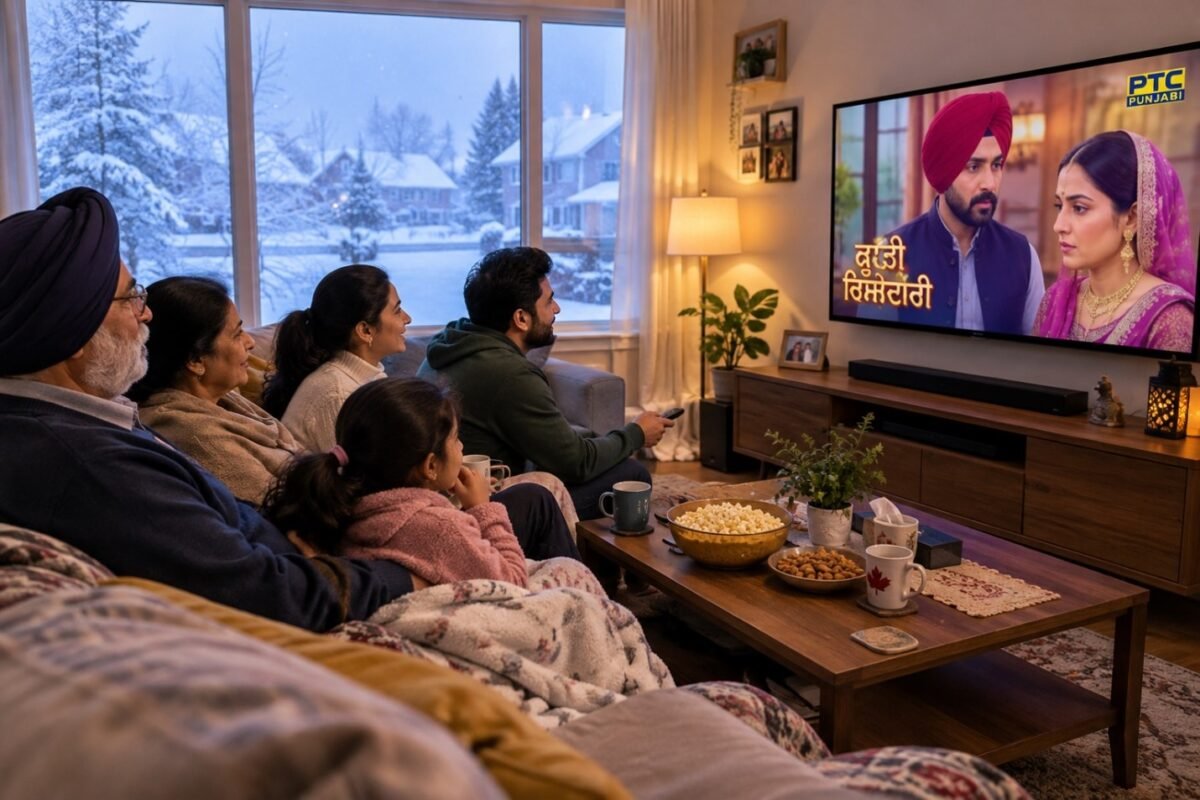
Last winter, a family we know in Brampton finally cut the cord. They’d been grumbling about their cable bill for over a year, and cancelling it felt amazing. For about two weeks.
Then 7 p.m. came around one evening and Biji sat down for her Punjabi serial. It wasn’t there. Nobody could find it. The new service had “thousands of channels,” apparently, just not the one she’d been watching every night since 2019. Let’s just say dinner that evening was quiet.
We tell this story because we’ve heard some version of it more times than we can count. Picking an iptv subscription Canada households can actually count on isn’t rocket science. But it does take a little homework, and skipping it can cost you money, time, and occasionally peace at home. So here’s what we’d check before paying anyone a single dollar.
Why More Households Are Moving to IPTV
You’ve probably noticed the cable bill creeping up every year. A few dollars here, a “service adjustment” there. And those contracts? Hard to get out of.
Streaming over the internet feels like a breath of fresh air in comparison. You pay for what you want and you can leave when you want.
For desi families, though, the bigger reason is content. Regular Canadian cable packages tend to throw in two or three regional channels and call it a day. If your parents want their Gujarati news or your kids want to watch the IPL with you, that’s not going to cut it. So people start searching for Indian iptv Canada services, and suddenly there are hundreds of sellers, all promising the moon. Some are great. Plenty aren’t. Comparing properly is how you tell the difference.
Check the Channel Lineup First
Ignore the giant number on the homepage. Seriously. “20,000 channels” means nothing if the three your family watches aren’t on the list.
Language and Regional Coverage
Hindi, Punjabi, Tamil, Telugu, Gujarati, Kannada… every family has its own must-haves, and people are fiercely loyal to them. Ask your mom which channel she’d be upset to lose. Ask your dad. Ask the kids. Write it all down.
Then open the provider’s channel list and go through it line by line. Boring, yes. Worth it, absolutely.
While you’re at it:
- Look for actual channel names. “Lots of Indian content” isn’t a channel list.
- Check for news and devotional channels if the elders in your house watch them every morning.
- Don’t forget the kids. Cartoons in Hindi or Tamil can be harder to find than you’d think.
Live TV, Catch-Up and On-Demand
Live TV is for the things you have to watch as they happen. Cricket. The news. The Diwali special everyone’s going to talk about the next day.
On-demand is for real life, when you get home at 9:30 and the episode aired at 8. Ask the provider how often they add new stuff to the library. If the latest movie in there came out two years ago, you’ll run out of things to watch within a month.
Test Your Internet Before You Pay
This part isn’t the provider’s fault, but it’ll feel like it is. If your internet is slow, even the best service in the world will buffer.
So run a speed test. And do it on the actual TV or streaming box you’ll be using, in the room where you’ll be watching. Standing next to the router with your phone doesn’t count.
Here’s roughly what you need for smooth playback:
- Standard definition: about 10 Mbps
- HD: about 20 Mbps
- Full HD: about 30 Mbps
- 4K: 50 Mbps or more
Keep in mind that the whole house is sharing that connection. If your son is upstairs playing Fortnite while your daughter’s on a video call, your stream is going to feel it. And if the router’s at the opposite end of the house from the TV, try an Ethernet cable. It’s not pretty, but it fixes more buffering problems than anything else we know.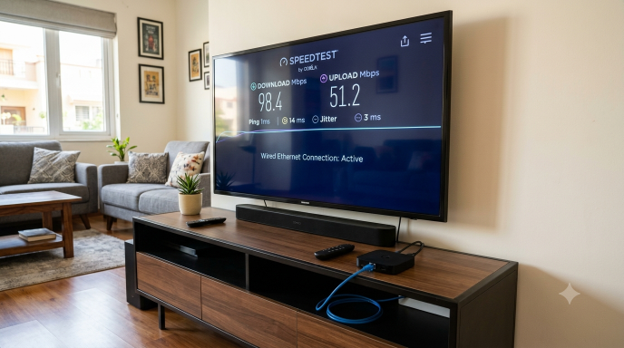
Compare IPTV Subscription Plans Carefully
Here’s the tricky bit. Two iptv subscription plans can look almost identical on a website and feel totally different once you’re actually using them. So don’t just compare prices. Read the details.
Plan Length
Monthly plans are the easiest to walk away from. Yearly and two-year plans are cheaper per month, sure, but you’re handing over a lot more money up front, and if the service goes downhill, that money’s gone.
If you haven’t used a provider before, start small. One month, maybe three. If they’re good, you can always switch to a longer plan.
Simultaneous Connections
This one catches a lot of families out. It’s the number of screens that can play at the same time.
If it’s just the two of you, one connection is probably fine. But picture a typical evening: Nani watching her serial in the living room, your husband catching the match in the bedroom, and the kids on a tablet. That’s three. Buy one connection and someone’s getting kicked off every night, and it usually won’t be Nani.
Pricing and Currency
Lots of providers show their prices in US dollars. You see “$15 a month,” think that’s not bad, and then your credit card statement says something closer to $22 once the exchange rate and foreign transaction fee are added.
Before you pay, ask:
- Is that price in CAD or USD?
- Are there taxes or conversion fees added at checkout?
- What will it cost when it renews? (The intro price and the renewal price aren’t always the same.)
Confirm Device Compatibility
Will it actually work on what you’ve got at home? Most providers support Smart TVs, the Fire TV Stick, Android boxes, phones, tablets and laptops. Many also work with player apps like TiviMate or IPTV Smarters Pro.
Ask if they have their own app or if you’ll need to download one yourself. And ask for written setup instructions. A simple step-by-step guide beats spending forty minutes on the phone with your dad saying “which button? the round one?”
Verify Licensing and Business Transparency
Most people skip this part. We’d say it’s the most important one.
IPTV as a technology is completely legal. What you need to know is whether the provider actually has the rights to the channels it’s selling. Services that carry premium channels without those rights can disappear overnight. One morning the app just doesn’t load, the WhatsApp number stops replying, and the money you paid for the year is gone.
A provider you can trust will usually have:
- An email address that works, plus a phone or chat line where a real person answers
- Written terms of service and a refund policy you can actually read
- A clear explanation of where their content comes from
- Payment options that give you some buyer protection, like a credit card or PayPal
Be extra careful if a seller only wants an e-transfer to someone’s personal account, or crypto. And if the price seems way too good for everything they’re promising, it’s fair to ask how. If the answer is vague, that tells you something.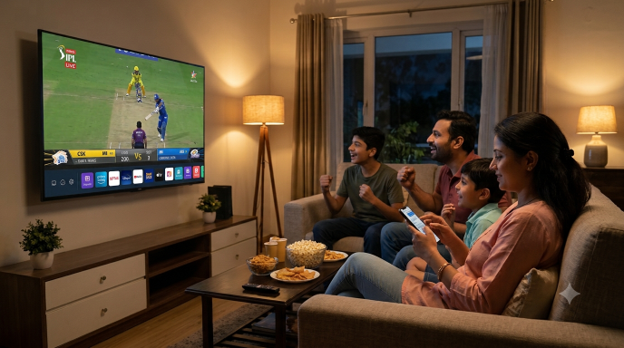
Use the Free Trial Properly
Most people switch on a free trial, watch for ten minutes, think “seems fine,” and forget about it. Don’t do that. Use it properly.
Watch in the evening, around 8 or 9, when everyone’s online and networks are under pressure. Put on a live cricket match or the news. Flip channels fast and see how long each one takes to load. Then message support with a real question, even something simple, and note how long it takes them to reply. Keep time zones in mind. A support team on the other side of the world might be fast asleep during your evening, and that matters when your stream breaks at 9 p.m.
Scribble down a few notes. Nothing fancy. “Loaded fast. Cricket was smooth. Support took 6 hours.” That’s usually enough to decide.
Conclusion
Choosing an iptv subscription Canada families can trust really comes down to not rushing. Check that your family’s channels are actually there. Test your internet in the right room. Read the plan details, including the currency. Make sure it works on your devices. And look into who you’re paying before you pay them.
At Champ IPTV, we offer a 24-hour free trial and plans built around Indian entertainment for families living abroad. Please run us through every single check in this guide, the same as you would anyone else. Try the trial, watch your favourite shows on it, and only go for a longer plan once you’re happy. No pressure.
Frequently Asked Questions
How much does an IPTV subscription in Canada cost?
It really depends on the plan length, how many screens you need and how many channels you want. Instead of just looking at the monthly price, work out what you’d pay over a full year. And always check whether the price is in CAD or USD, plus what renewal will cost.
What internet speed do I need for Indian IPTV in Canada?
For indian iptv canada channels in HD, about 20 Mbps is enough for one screen. If you want Full HD or 4K, you’ll need more. And every extra device watching at the same time adds to the load.
Can one IPTV plan work on several devices?
Yes, but how many devices can play at once depends on the number of connections in your iptv subscription plans. If you’ve got a bigger family, check that number before you buy. It’ll save a few arguments.
Is IPTV legal in Canada?
The technology itself is legal. What makes the difference is whether the provider has the rights to the content it’s selling. Have a look at their terms, contact details and refund policy before you sign up.